The BioTree, a handhold in building a resilient organisation
- Stimulate dynamicshuman capital & information management
- Modern leadershiptrust & facilitation
- Innovative strengthdesign & form
- Continuous change5 O change model & animal organisation
- Organisational flexibilityprocesses & systems
- Corporate social responsibilitysustainability & local involvement
- A single clear visionfocus & priorities
- Chain thinkingcollaboration & relationship management
Biomimicry Life's Principles Biomimicry 3.8
- Adapt to changing conditions
- Be locally attuned and responsive
- Use life-friendly chemistry
- Be resource efficient (material and energy)
- Integrate development with growth
- Evolve to survive
Business Principles Giles Hutchins
- Resilience
- Optimise
- Open to change
- Integrated systems thinking
- Value creation
- Sustainability
10 basic principles of an organisation Janine Benyus
- Use waste as a resource
- Diversify and cooperate
- Gather and use energy efficiently
- Optimise rather than maximise
- Use materials sparingly
- Don't foul the nest
- Don't draw down resources
- Remain in balance with the biosphere
- Run on information
- Shop locally
We stand on the eve of major change. A great deal is shifting in the economy, in work, in society, in technology, media, marketing, entrepreneurship and science. The BioTree helps you set your course through turbulent times.
The Firm of the Future 3.8 — the resilient organisation — collaborates, is decentralised, innovative and adaptive. Corporate social responsibility, the circular economy and optimising rather than maximising are conditions for surviving the 21st century.
Letting go, taking risks and showing resilience call for new leadership and different business models. The BioTree helps you define the right actions, and also find the right balance between all of these, so the business ecosystem keeps working as a whole.
Background
In 1997 Janine Benyus first set down the ten basic principles of an organisation in her book Biomimicry: Innovation Inspired by Nature. Those principles were later worked out as the Biomimicry Life's Principles. In 2012 Giles Hutchins wrote a book on the Business Principles derived from them, The Nature of Business: Redesigning for Resilience. And in 2016 Els Martijn set out the requirements for a resilient organisation in her book Firm of the Future 3.8.
The BioTree explained
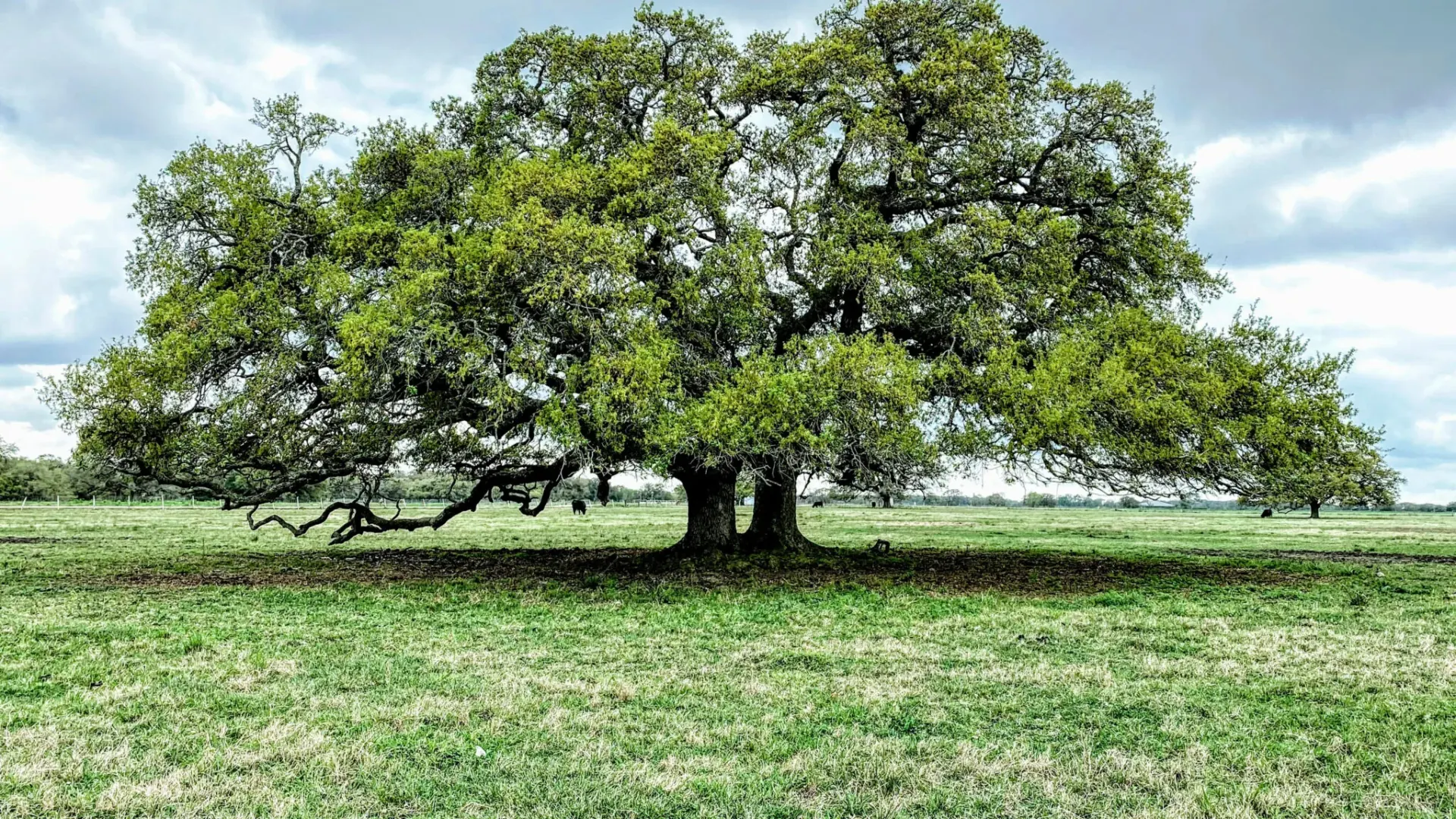
Trees often play a leading part in whole communities of life. Birds nest in them; mosses, lichens, fungi and algae live on the trunk, on the branches and sometimes on the leaves. Fungi live in symbiosis with the tree, or parasitically on or in it. Insects live off the leaves or the wood. Parasitic wasps in turn live off those insects. And through its fruit and seed the tree is an important source of food for squirrels and birds among others.
The roots are the tree's lifelines. They provide stability and are fed by the soil and by other external variables such as organisms and the weather — in other words, the ten basic principles for an organisation.
The trunk carries the nutrients and protects the whole. The Life's Principles, as named by the Biomimicry 3.8 institute, translate natural needs into guidelines for sustainable innovation and growth.
Once the tree begins to branch, resources are shared out according to the viability and the age of each branch. The Business Principles set out the frame an organisation has to meet to become, and stay, as resilient as nature is.
The branches turn sunlight into energy while offering shelter to many other organisms. The book Firm of the Future 3.8 sets out the eight branches needed to create energy in an organisation, so that its viability is assured.
Finally, the sun is the source of life on earth. For organisations, the values compass plays that part. What is the single clear goal, and which course takes you there?
Change
One of the most important lessons nature offers is that nothing stays the same, and that surviving demands a great capacity to adapt. Or, as the saying long attributed to Charles Darwin has it:
“It is not the strongest species that survive, nor the most intelligent, but the ones most able to adapt to change.”
We would gladly explain how the BioTree can help you build a resilient organisation. Do get in touch for more information.